How to Find the Right Interior Designer in Gurgaon (Without Regretting It Later)
If you have spent any time researching interior designers in Gurgaon, you already know how overwhelming it gets. One studio promises you a dream penthouse for Rs. 15 lakhs; another quotes Rs. 80 lakhs for what looks like the same space. Timelines get stretched, budgets balloon, and that beautiful render on the mood board looks nothing like the finished room.
This guide is here to change that. Whether you are renovating a 3BHK in Sector 56, planning a luxury penthouse on Golf Course Road, or fitting out a corporate office in Cyber City, here is everything you genuinely need to know before signing a contract with anyone.
1. What Makes Gurgaon's Design Market So Challenging?
Designing a premium space in Delhi-NCR is not just about picking beautiful things. It is an exercise in climate adaptation, structural planning, and careful material selection. Gurgaon throws specific challenges at every project: scorching summer heat, punishing monsoon humidity, and the acoustic realities of high-rise living. A material that looks stunning in a showroom can warp, crack, or discolour after its first Delhi summer if it was not chosen with these realities in mind.
Then there is the execution gap. Across DLF Phases, Sohna Road, and Golf Course Extension Road, many homeowners have watched a genuinely good design plan fall apart on-site, simply because the designer and the contractor were two separate people with two different interpretations of the same drawing. Finding a team that owns both design and build is not just a convenience in this market. It is often the difference between getting what you paid for and getting something you have to live with.
2. What Does a 3BHK Interior Design Actually Cost in Gurgaon?
Let's be straight: most agencies are vague about pricing until you are already emotionally invested in the process. So here is a no-nonsense breakdown of what a quality 3BHK interior design genuinely costs in this city right now.
Realistic Cost Breakdown for a Premium 3BHK
| Interior Component | Essential Premium (INR) | Ultra-Luxury Bespoke (INR) | Key Material Choices |
|---|---|---|---|
| Modular Kitchen & Fittings | 3.5L – 6L | 7.5L – 15L+ | Matte acrylic, tinted glass, Blum hardware, quartz counters |
| Wardrobes – 3 Bedrooms | 2.5L – 4.5L | 5.5L – 10L | Floor-to-ceiling lacquered glass, veneer, internal LED strips |
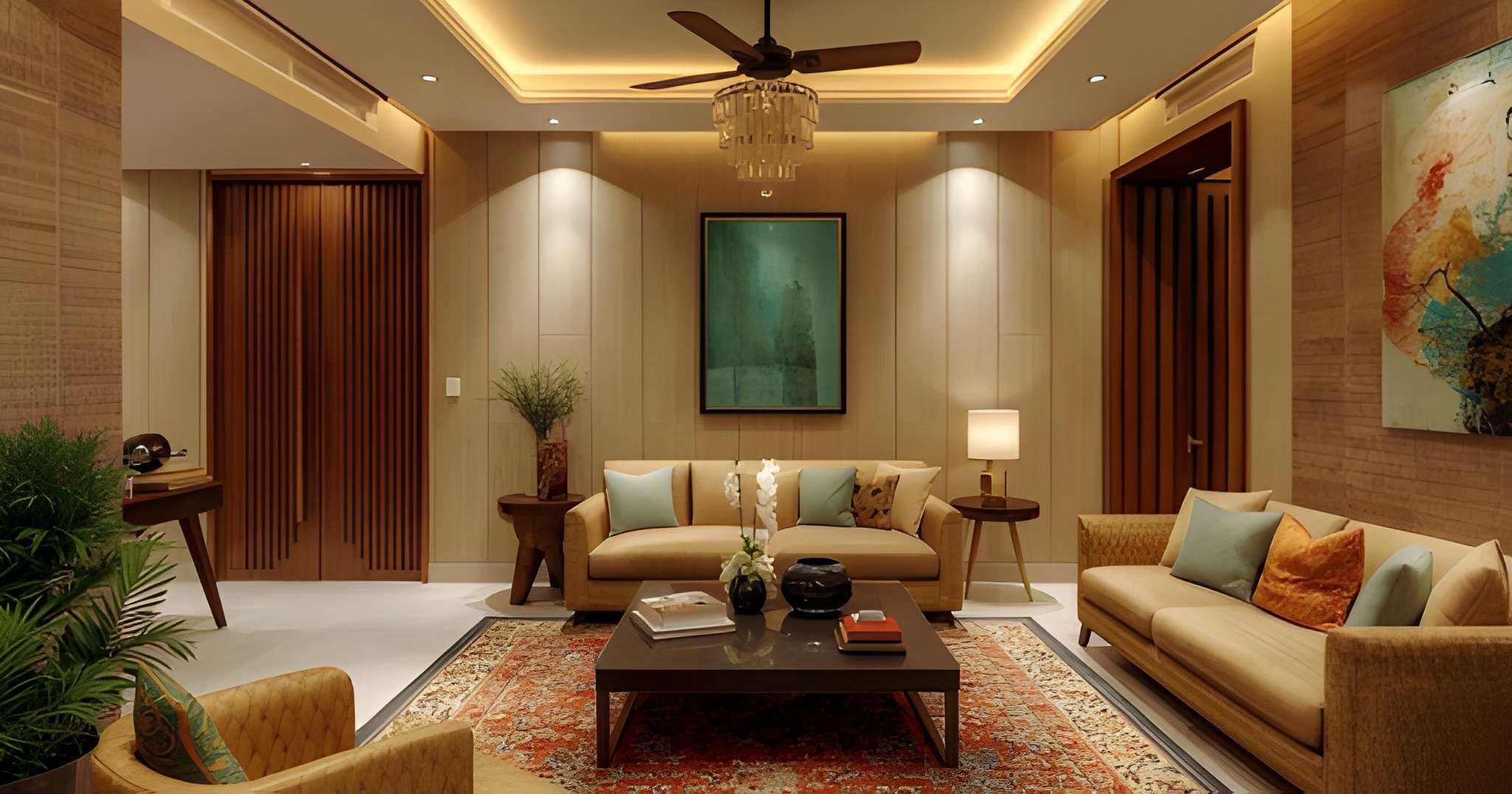
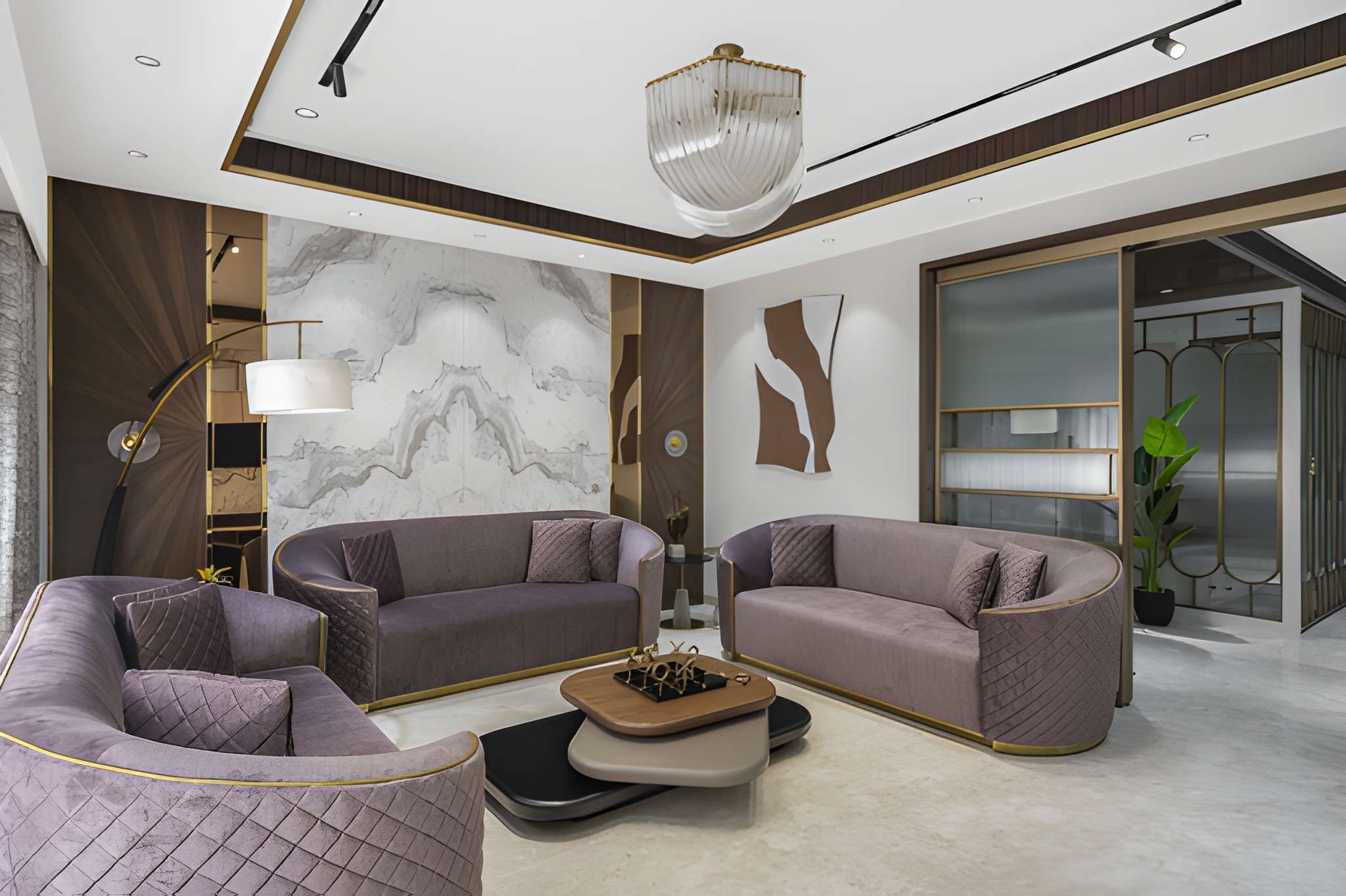
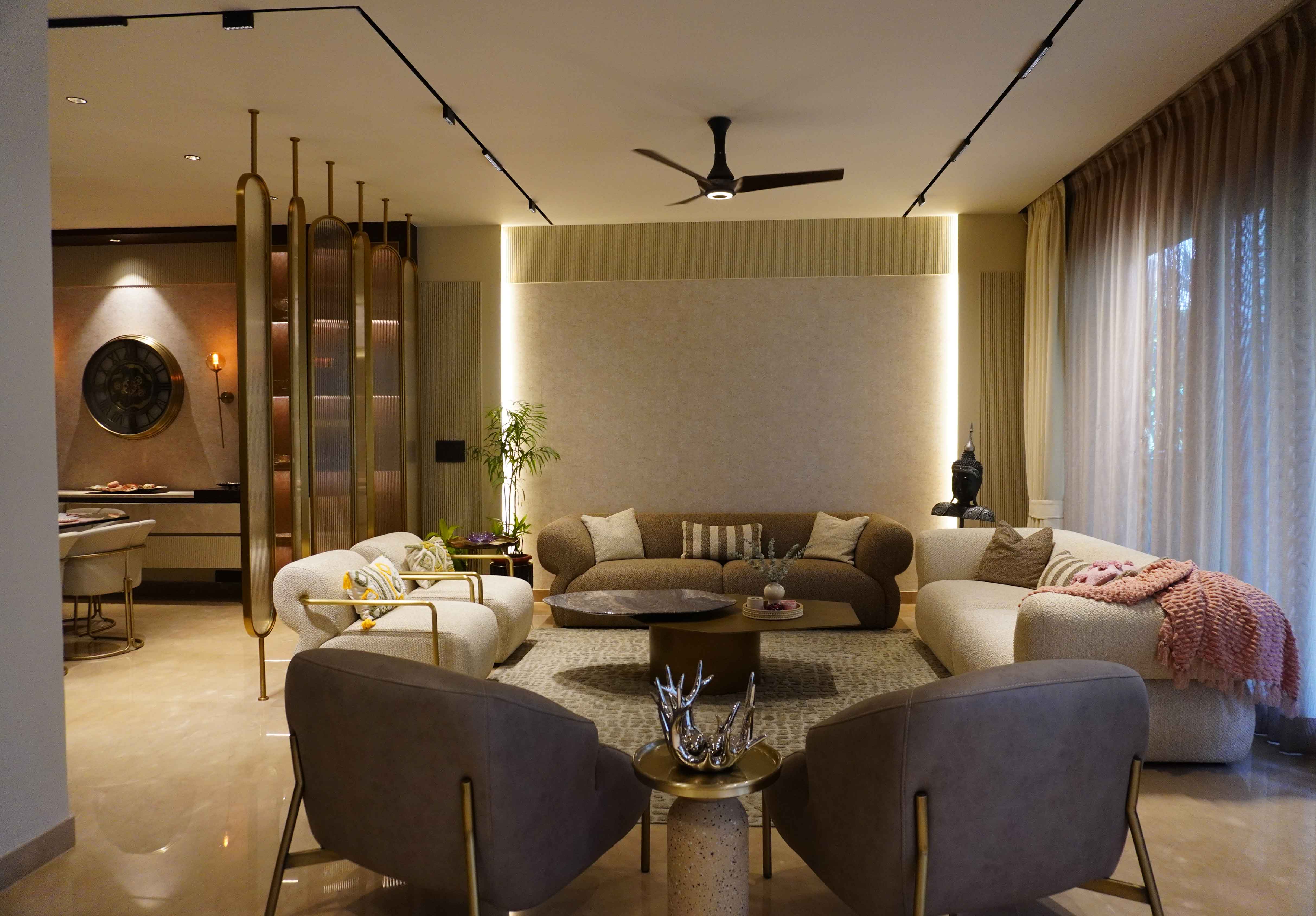
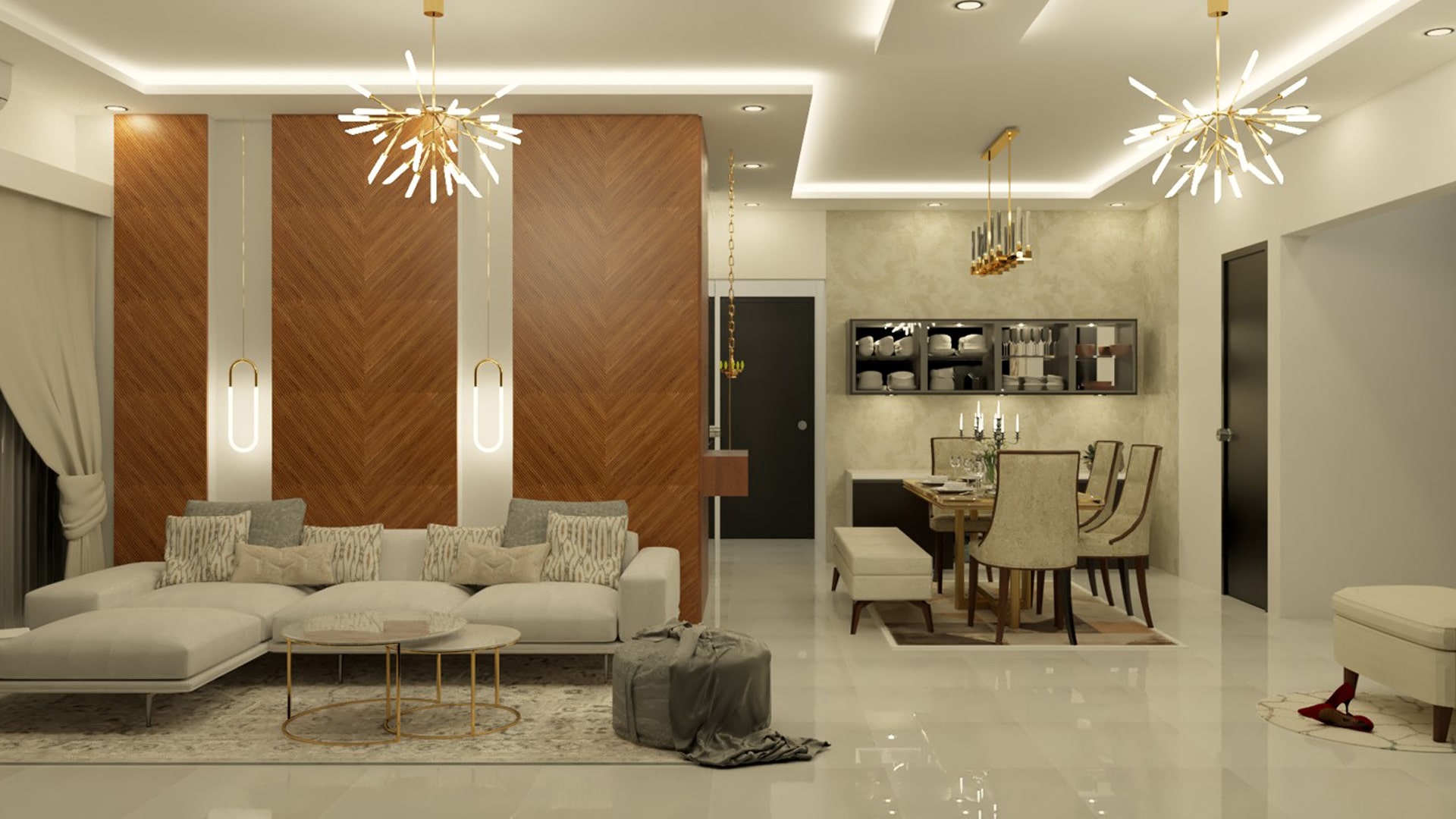
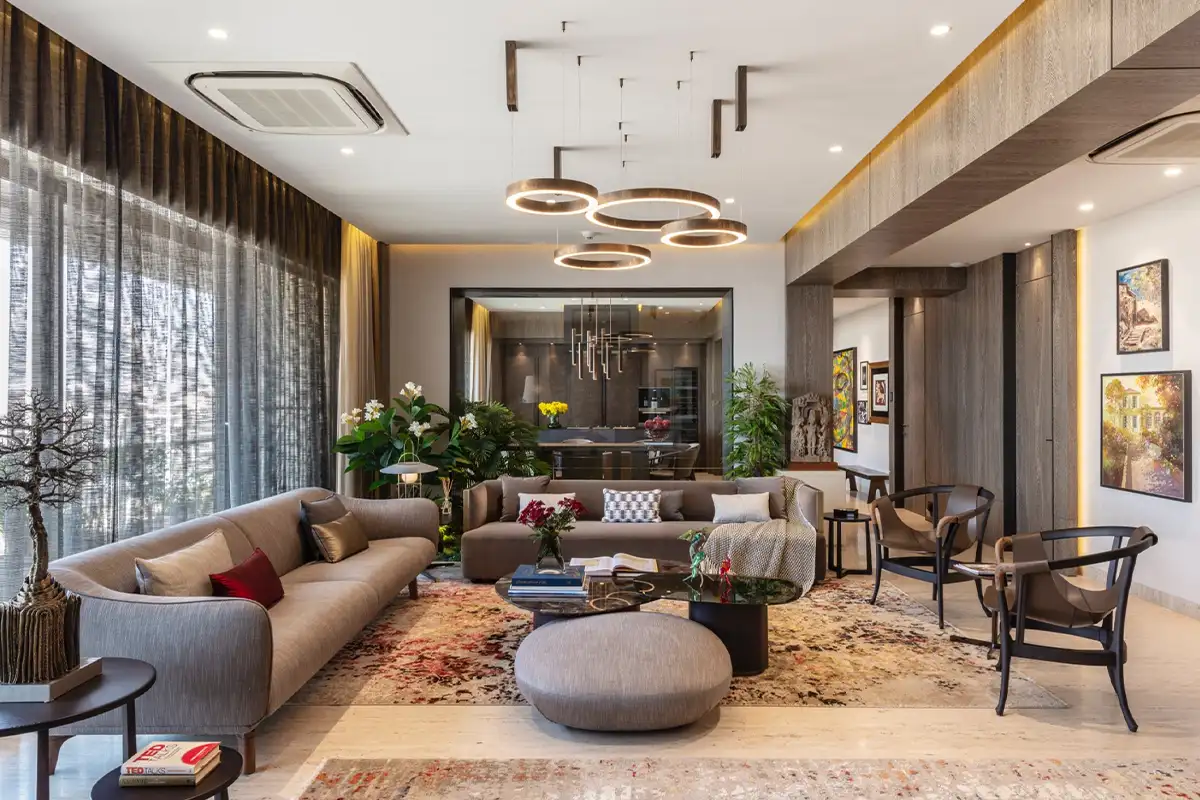
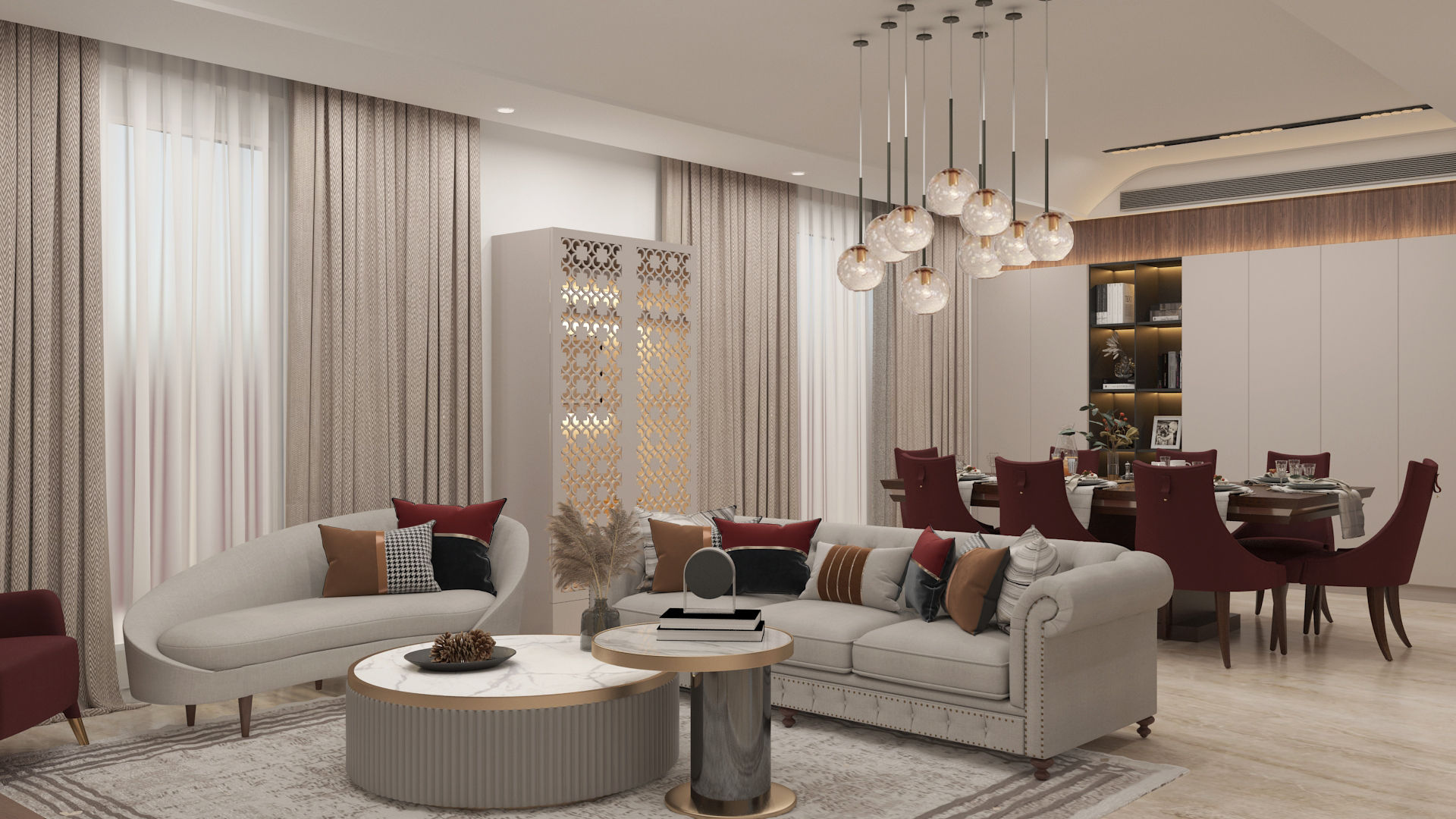
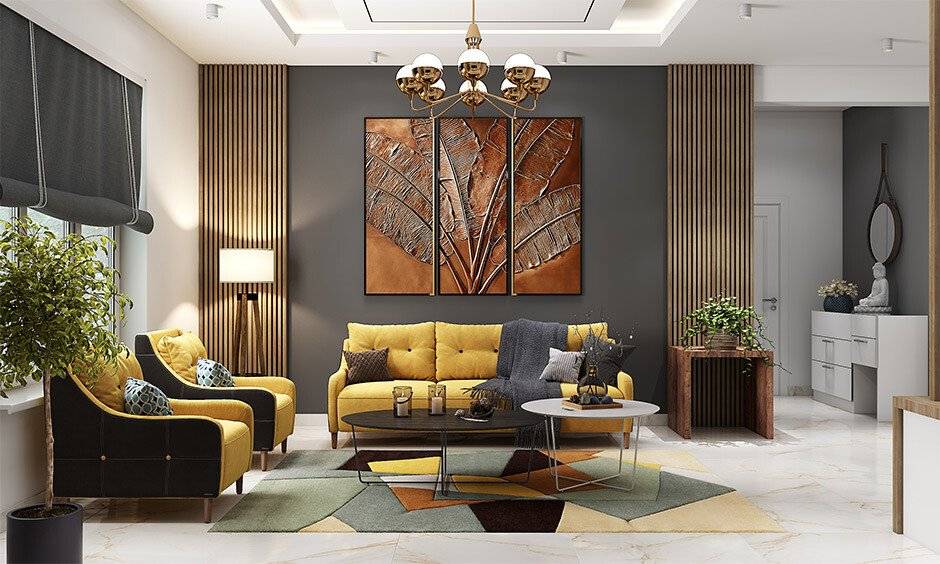
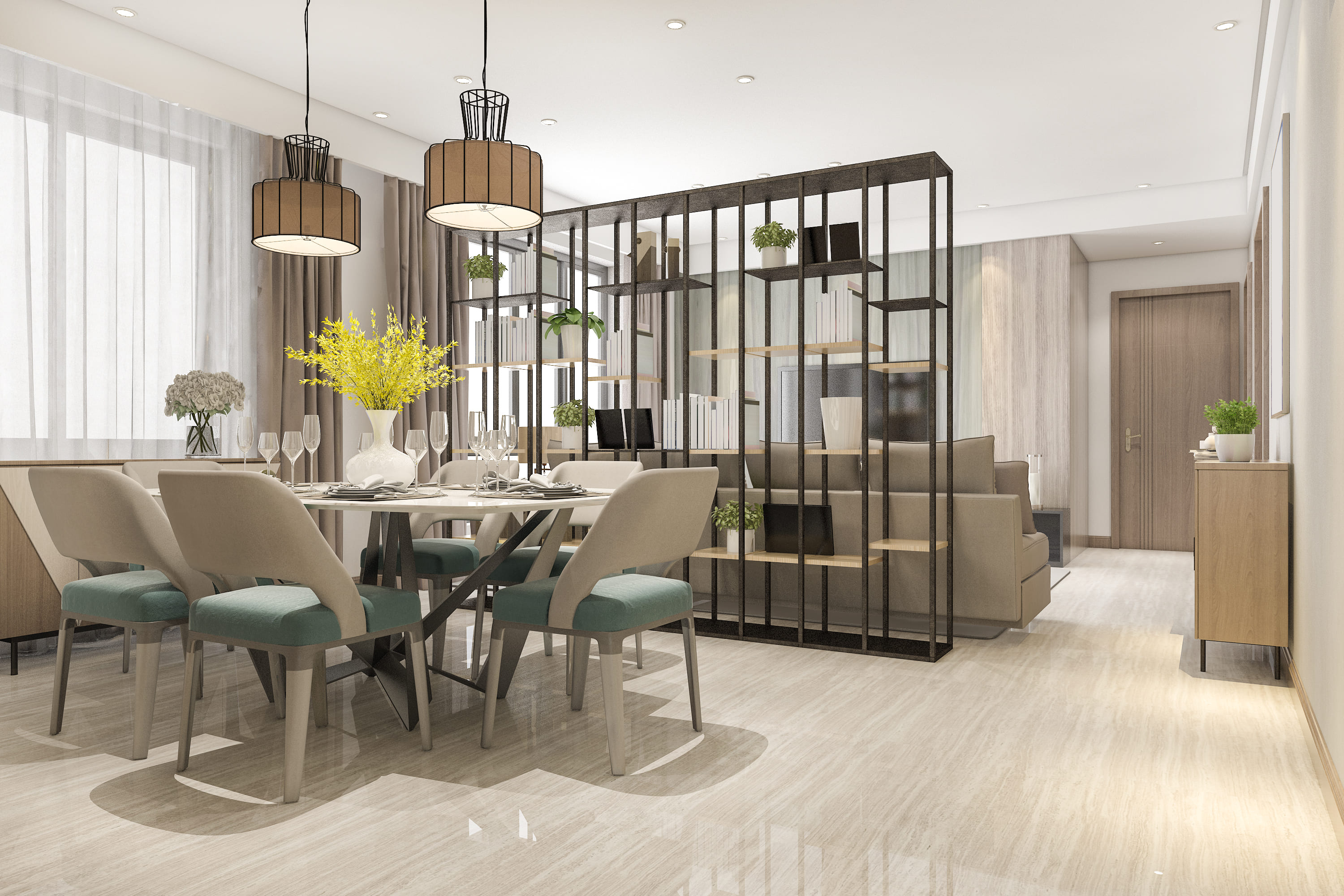
| Living & Dining Layout | 2L – 4L | 5L – 12L | Italian marble accents, fluted charcoal panels, custom metal dividers |
| False Ceiling & Lighting | 1.5L – 2.5L | 3L – 6L | Gypsum channel lighting, magnetic track lights, COB fixtures |
| Civil, Electrical & Paint | 2L – 3.5L | 4.5L – 8L | PU pigment paint, luxury emulsions, electrical automation routing |
| Total Estimated Investment | 11.5L – 20.5L | 25.5L – 51L+ | Final cost scales with sq. ft. and custom selections |
A few things worth understanding before you budget:
The 'Essential Premium' range covers solid modular fittings, standard lacquer finishes, and a decent lighting plan. You get good quality, but nothing bespoke.
The 'Ultra-Luxury' range means custom carpentry, imported stones, home automation systems, and premium European hardware like Blum or Hettich.
These figures reflect current Gurgaon market rates. Your final number will shift based on your exact square footage and material decisions.
The biggest cost driver in any interior project is almost never the furniture. It is the custom woodwork, civil modifications, and any electrical automation work that adds up quickly and quietly.
3. Designing a Luxury Penthouse: What the Architects Won't Always Tell You
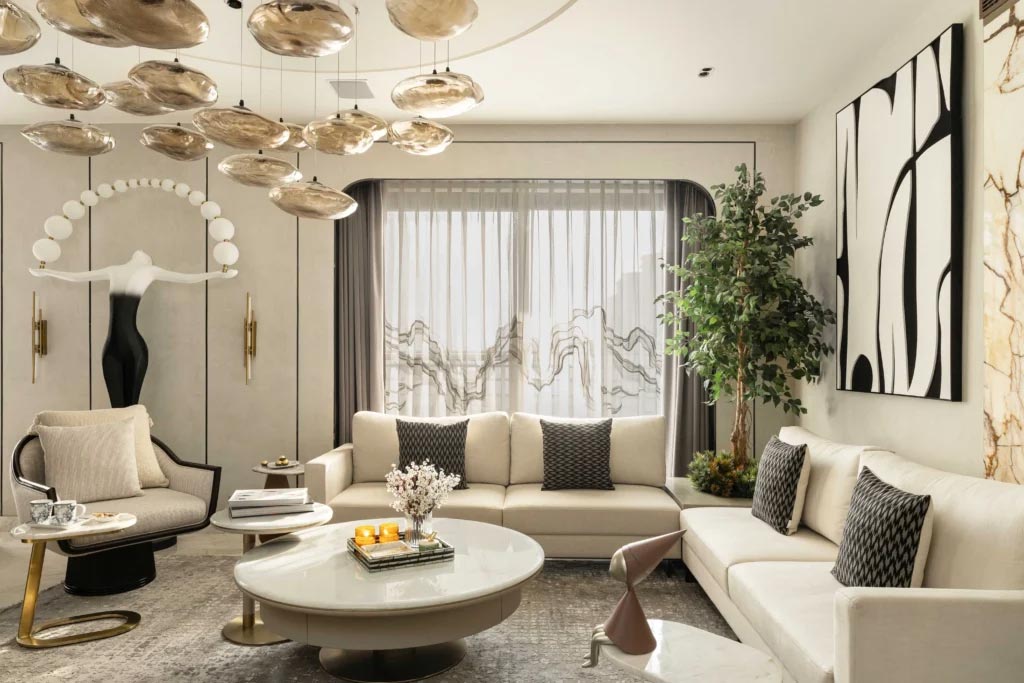
A luxury penthouse design is not simply a large apartment with better views. Penthouses have their own set of structural and environmental demands that most standard interior designers are simply not equipped to handle well.
The height, the direct sun exposure, the panoramic glazing, the private terraces that need to feel like natural extensions of your living space, all of this requires an architect and interior designer who are genuinely working in sync. Here is what that looks like in practice.
Key Design Principles for High-End Penthouses
Double-height volumes done properly. Penthouses with soaring ceilings should make you feel the height, not just see it. Clad your structural columns in exotic stone or install floor-to-ceiling metal screens to draw the eye upward intentionally. This is architecture, not decoration.
Low-E glazing is not optional. Penthouses absorb enormous amounts of thermal energy from direct sun. Installing double-glazed, low-emissivity glass profiles is not a luxury upgrade, it is a necessity if you want manageable cooling costs and actual acoustic privacy from the city below.
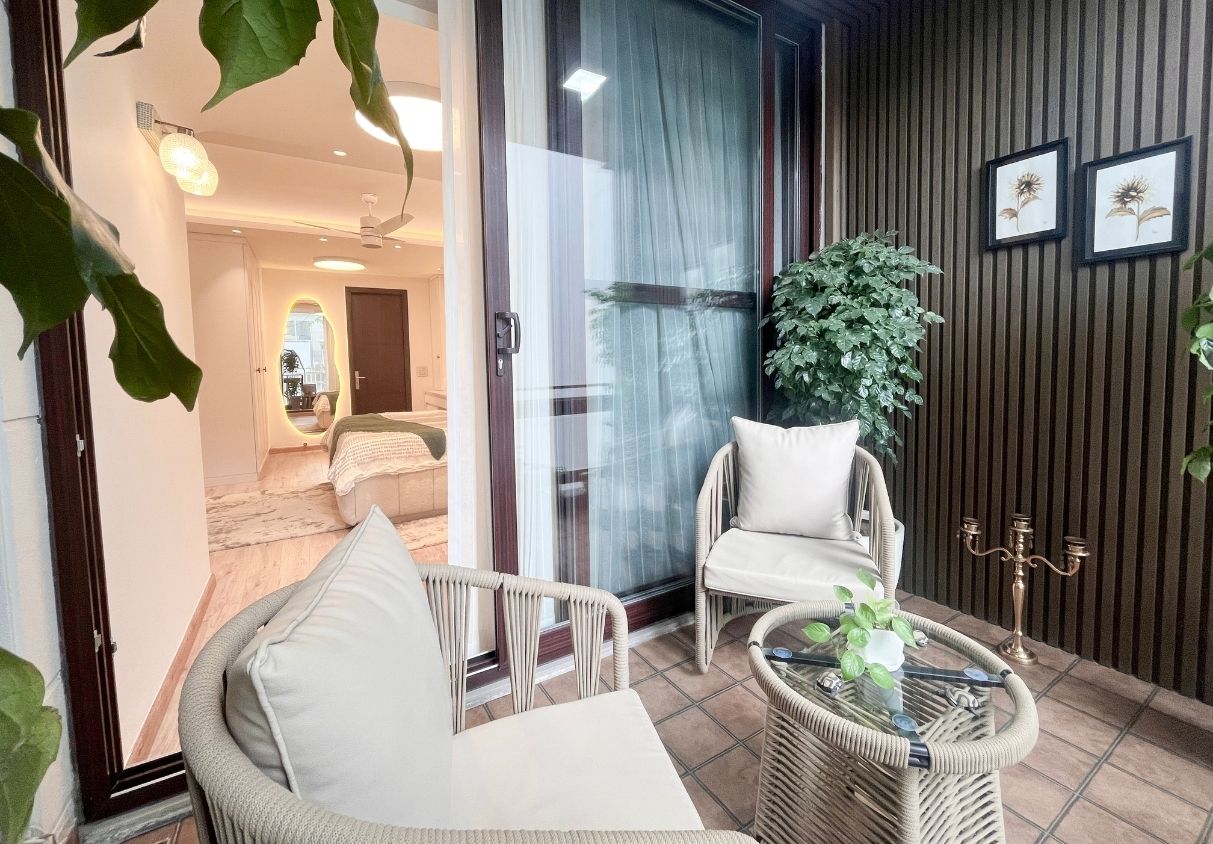
The indoor-outdoor transition defines the space. The best penthouse designs use slim-profile sliding glass systems that recede completely into wall pockets when open. When done right, your main living room and your terrace become a single seamless entertainment space. When done badly, you just have a nice door.
4. Small Living Room Decor: Making a Compact Space Feel Bigger
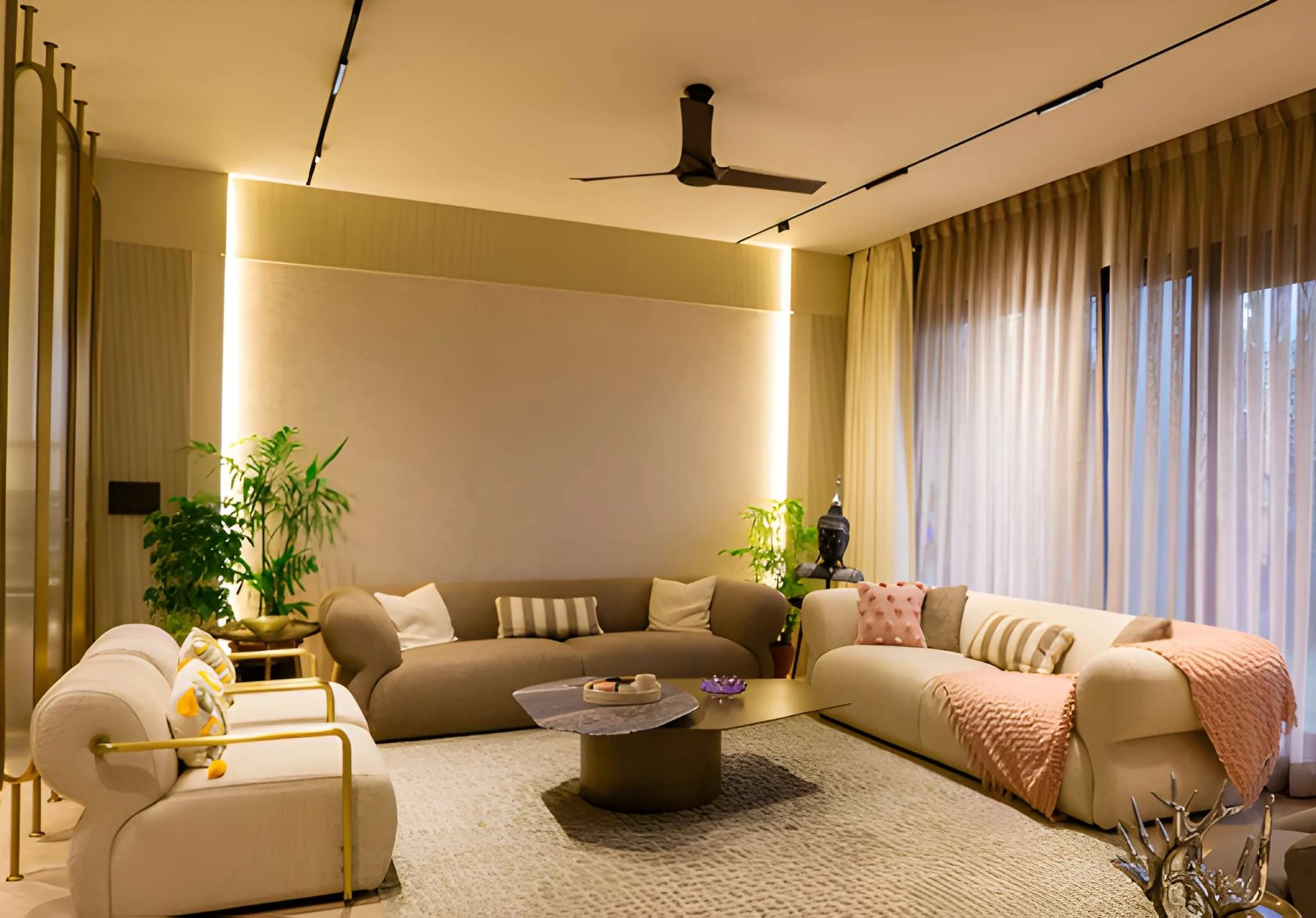
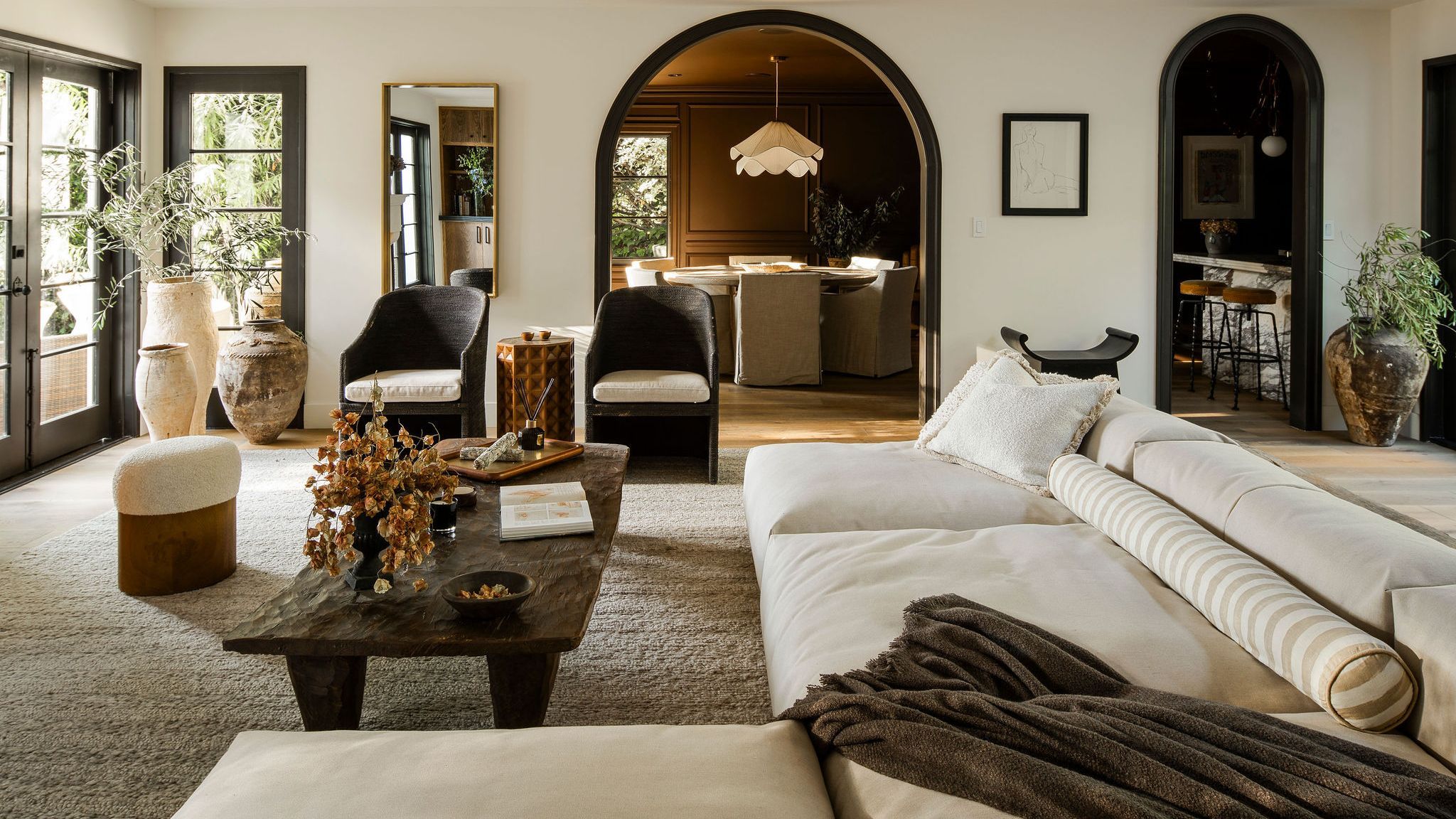
Not every premium urban home comes with sprawling square footage. In fact, some of the most beautifully designed spaces in Gurgaon are compact apartments that simply feel enormous because of smart spatial decisions. Small living room decor is as much about psychology as it is about furniture choice.
Practical Tactics That Actually Work in Compact Living Spaces
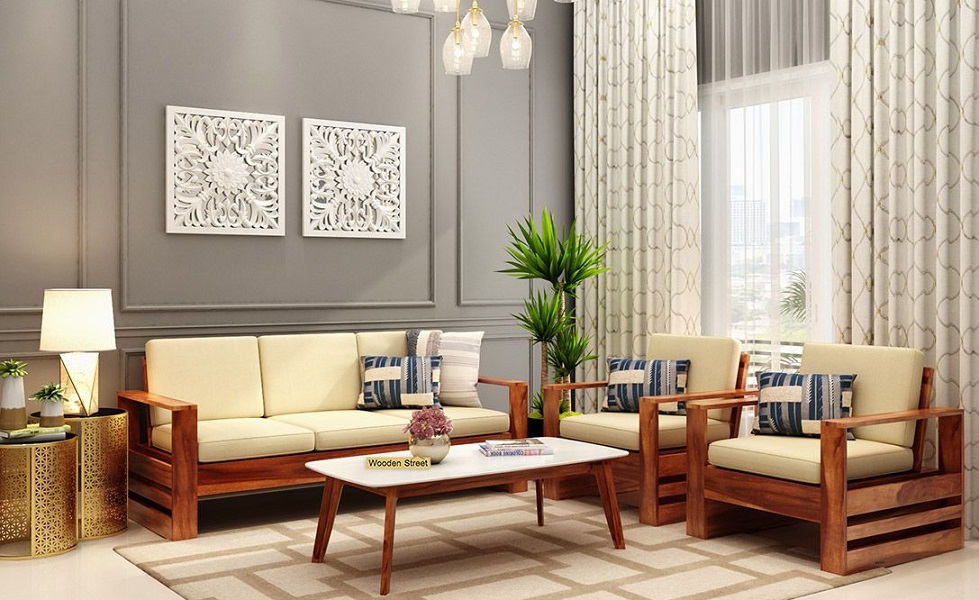
Keep the floor visible. Choose sofas and chairs with slim, raised legs. Mount your entertainment unit directly to the wall rather than placing it on a TV cabinet. The more floor you expose, the larger the room will feel to anyone standing in it.
Stick to tone-on-tone palettes. Painting your walls, baseboards, and ceiling in similar shades of off-white, warm beige, or muted grey makes spatial boundaries visually recede. Breaking a small room up with contrasting colours is one of the most common mistakes homeowners make.
Use mirrors with intention. A single large mirror placed opposite your main window will reflect natural daylight deep into the room and create a convincing sense of depth. Position matters more than size here.
5. Office Wall Design: Creating Spaces That Work as Hard as Your Team
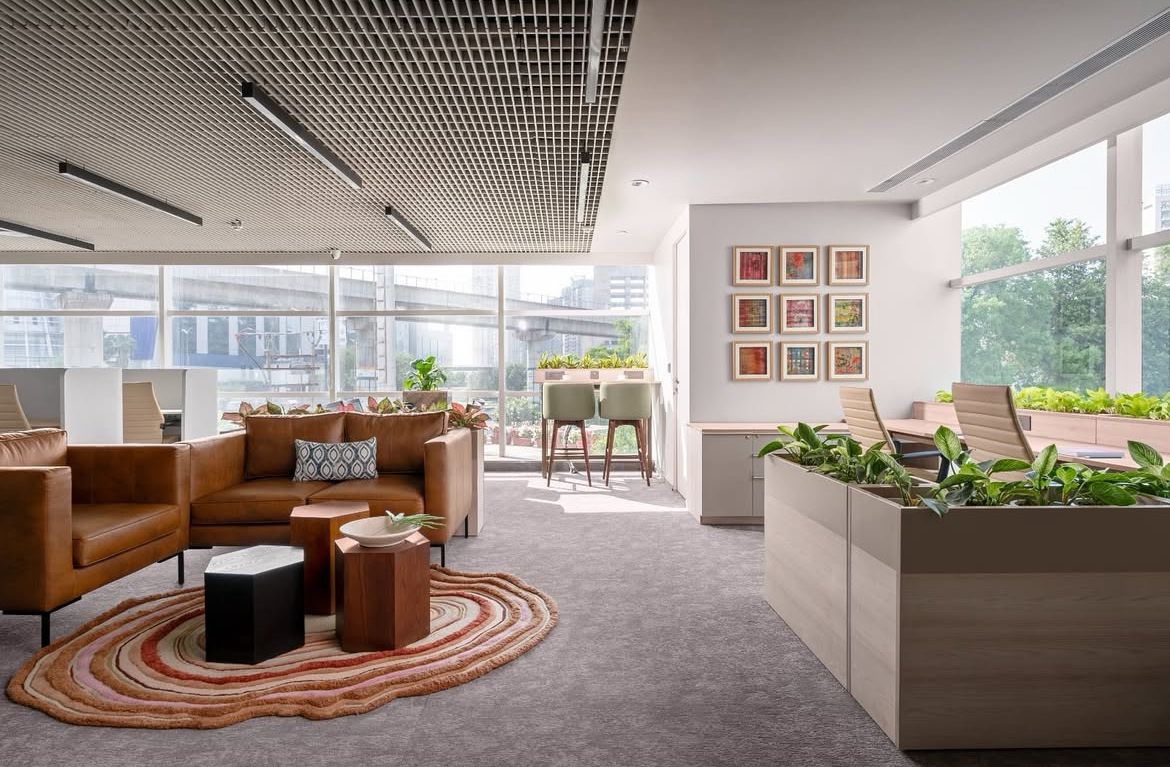
Walk into any well-designed corporate office and the walls are doing a lot of work. They are managing acoustics, communicating your brand, absorbing light, and making people either want to focus or want to collaborate. A thoughtful office wall design is one of the most underrated investments in a workplace fit-out.
High-Impact Office Wall Solutions for Modern Workspaces
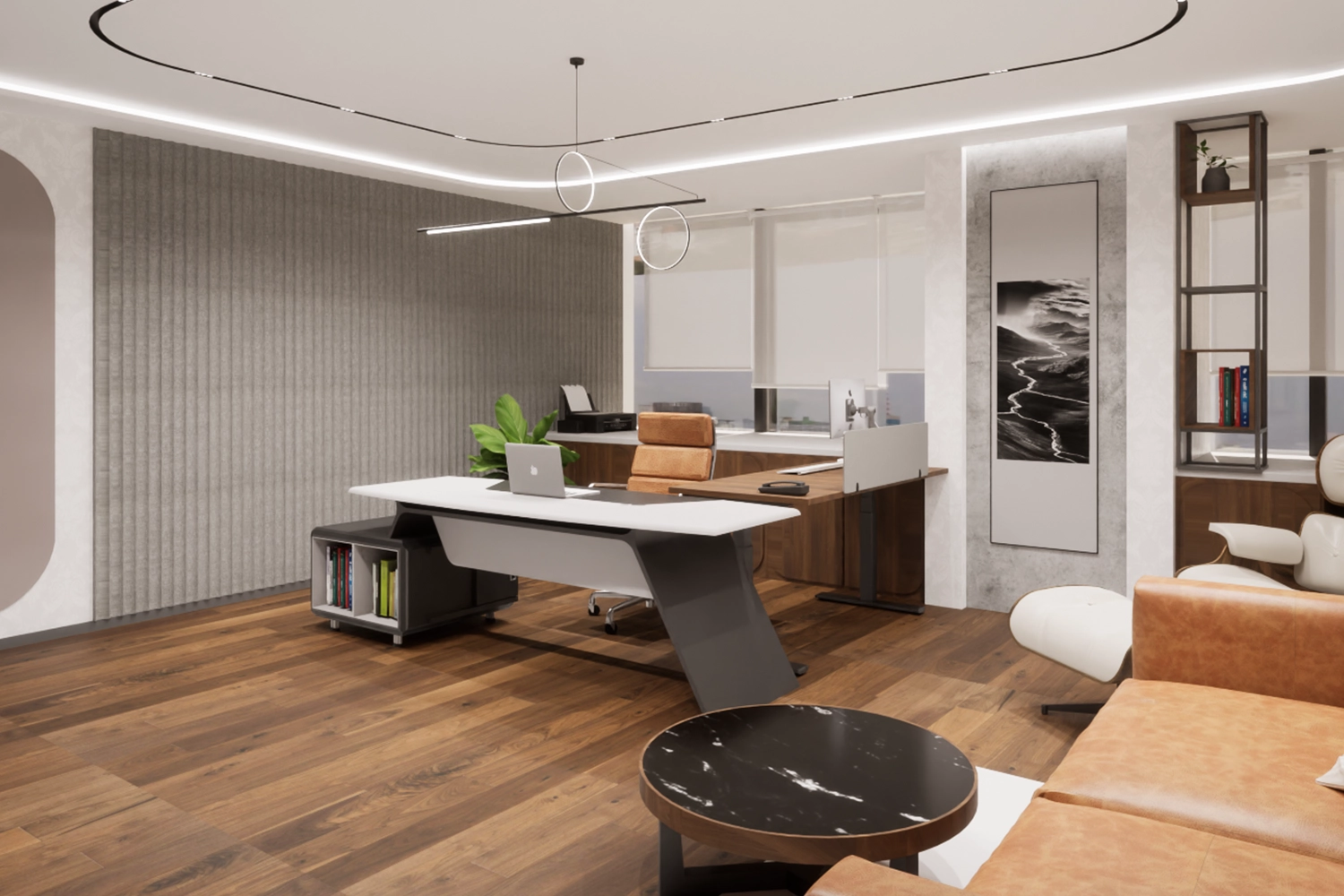
Acoustic slatted paneling Combining natural timber slats with an acoustic felt backing dampens background noise in open-plan spaces while adding warmth to what might otherwise feel like a cold, corporate environment. It is one of the most versatile solutions available.
Integrated brand geometry Plastic signage stuck on a painted wall is a dated approach. Embedding laser-cut metal logos into textured concrete or backlit stone panels creates reception backdrops that clients actually remember.
Living biophilic wall modules Moss panels and automated vertical planters built into office dividers are not just aesthetically striking. Research consistently shows they reduce workplace stress and improve indoor air quality, which is meaningful when your team is spending eight-plus hours a day in the space.
6. Choosing the Right Materials: An Honest Look at Pros and Cons
Every design decision is a long-term commitment. The finishes you choose today will define how your space looks, feels, and functions for years. Here is an honest breakdown of the most commonly used premium materials, including the parts that brochures tend to leave out.
| Material | Best For | The Pros | The Cons |
|---|---|---|---|
| Natural Veneers & PU Coating | Wardrobes, wall panels, bespoke millwork | Rich wood grain; sleek finish; fully customizable stains | Needs skilled application; higher upfront cost; sensitive to sharp impact |
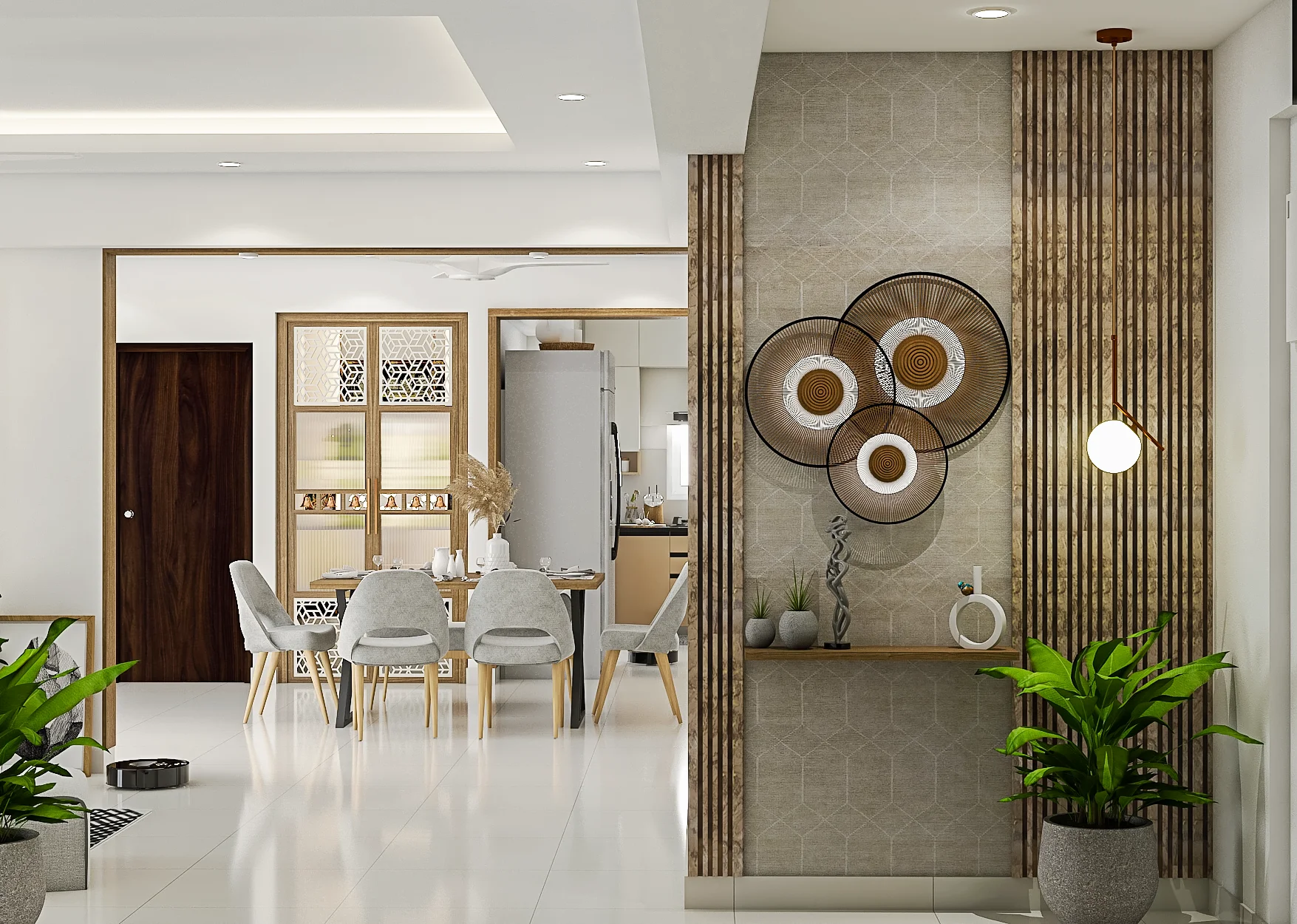
| Fluted Charcoal & WPC Panels | Accent walls, hidden doors, media console backing | Waterproof, termite-resistant; quick to install; very durable | Hard to repair deep scratches; limited to factory textures |
| Engineered Quartz & Imported Marble | Kitchen counters, feature walls, luxury flooring | Premium look; quartz is stain- and scratch-resistant | Imported marble is porous and stains easily; needs periodic sealing |
| Slimline Aluminum & Architectural Glass | Penthouse partitions, office cabins, walk-in closets | Maximises natural light; zero structural bulk; highly stable | Shows fingerprints; needs regular upkeep; requires precise installation |
The practical rule that most experienced designers follow: use your premium, bespoke materials on the spaces people see and interact with the most, like your main living room wall or your reception desk. For secondary spaces like the inside of wardrobes or utility rooms, high-quality laminates deliver durability without the cost.
7. Why a Turnkey Design Partner Makes Sense in Gurgaon
The old model of hiring a separate designer, a separate material vendor, and a separate contractor almost always leads to the same outcomes: cost overruns, delays, and a finished space that does not quite match what you saw in the render. Each party points to the other when something goes wrong, and you are left in the middle.
A genuine turnkey design-build model eliminates that friction. When the same team owns everything from the initial 3D visualization and structural drawings through to material sourcing and on-site contracting, there is no gap between what was designed and what gets built. Design intent is protected at every stage because the people building your space are the same people who designed it.
Rise and Tread operates on exactly this model. Our architecture and interior divisions work under a single project umbrella, which means civil requirements, plumbing configurations, electrical routing, and interior layout are all aligned from the start. No surprises on-site. No renegotiating scope once walls are up.
8. Frequently Asked Questions
The most important question to ask any design studio is: do you own your execution, or do you outsource it? Firms that manage their own contractors can guarantee consistency. Always ask to see recent completed projects, review their material sourcing network, and insist on a detailed line-item cost breakdown rather than a lump-sum estimate. Vague quotes are a red flag.
The range is mostly driven by material grade and the level of customisation involved. Factory-made modular units are significantly more affordable than fully custom, floor-to-ceiling veneered woodwork built on-site. Add automated lighting systems, premium European hardware, and imported stone, and the cost curve changes quickly. Make sure you are comparing like-for-like when reviewing quotes.
Yes, but only if you are working with a genuinely integrated turnkey firm. The advantage is that plumbing configurations, load-bearing wall decisions, and electrical runs all get planned around your interior layout, rather than after it. This avoids the expensive reworks that happen when civil work and design are planned separately.
Fluted WPC panels, high-pressure laminates (HPL), and textured concrete finishes are all strong choices. They resist scuffs and daily wear, clean easily, and hold their appearance without needing regular paint touch-ups. For heavy-traffic areas specifically, HPL edges out the others on long-term durability.
Start with multi-functional furniture. Custom sofas with built-in storage, nested coffee tables, and ottomans that double as seats all reduce clutter without reducing comfort. Keep all walkways completely clear, use vertical wall space for shelving and storage, and choose furniture with raised legs wherever possible to maintain a sense of open floor space.
A full design-build project for a luxury penthouse generally runs between four and seven months. That timeline accounts for structural validation, importing specialised materials, detailed false ceiling design, custom carpentry, and proper quality checks before handover. Timelines get compressed when you rush the material procurement stage, and that almost always shows in the finish.
Basic interior packages cover cabinetry, finishes, and decor. Structural work, which includes removing internal walls, rerouting plumbing, or modifying load-bearing elements, requires qualified structural engineers. Comprehensive turnkey firms like Rise and Tread include this capability in-house, so it is planned for from the beginning rather than bolted on later.
The most effective strategy is to concentrate your premium materials on the spaces that matter most visually, typically your main living room wall, your entry foyer, and your kitchen. Use clean, durable laminates inside wardrobes and secondary storage. And if you work with a turnkey firm that sources materials directly, you avoid the retail markup that adds up significantly over a full project.
Latest Blogs