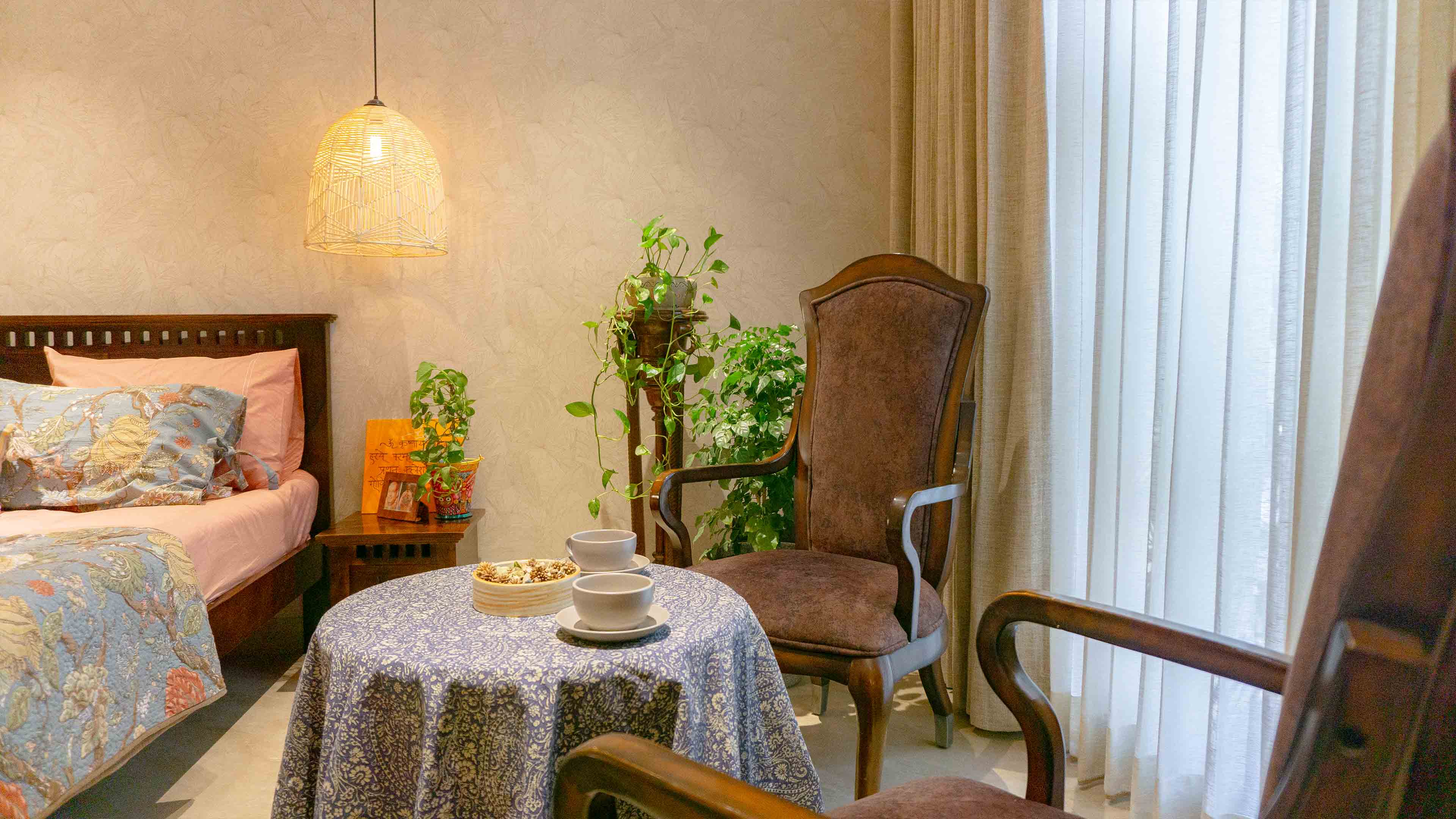
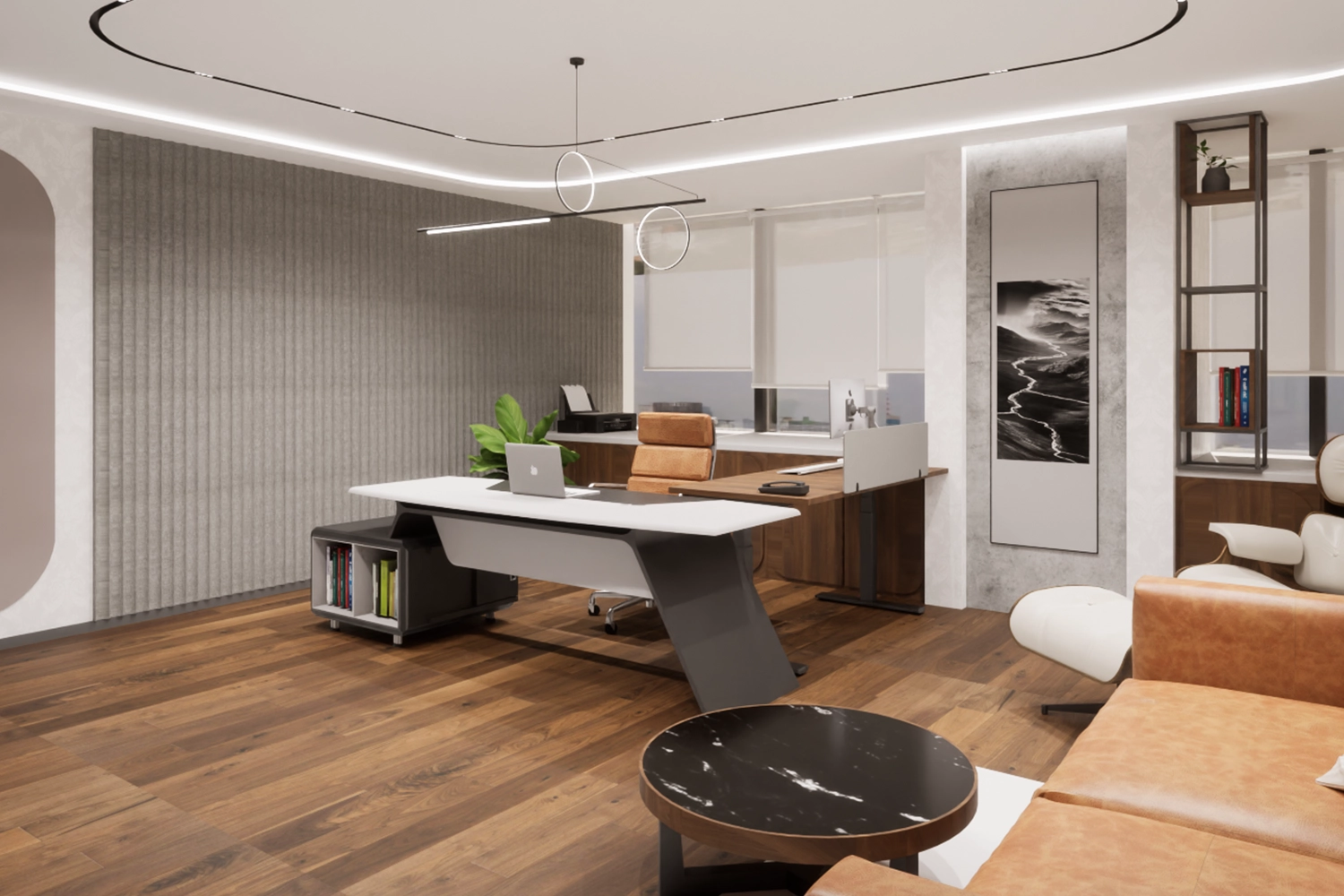
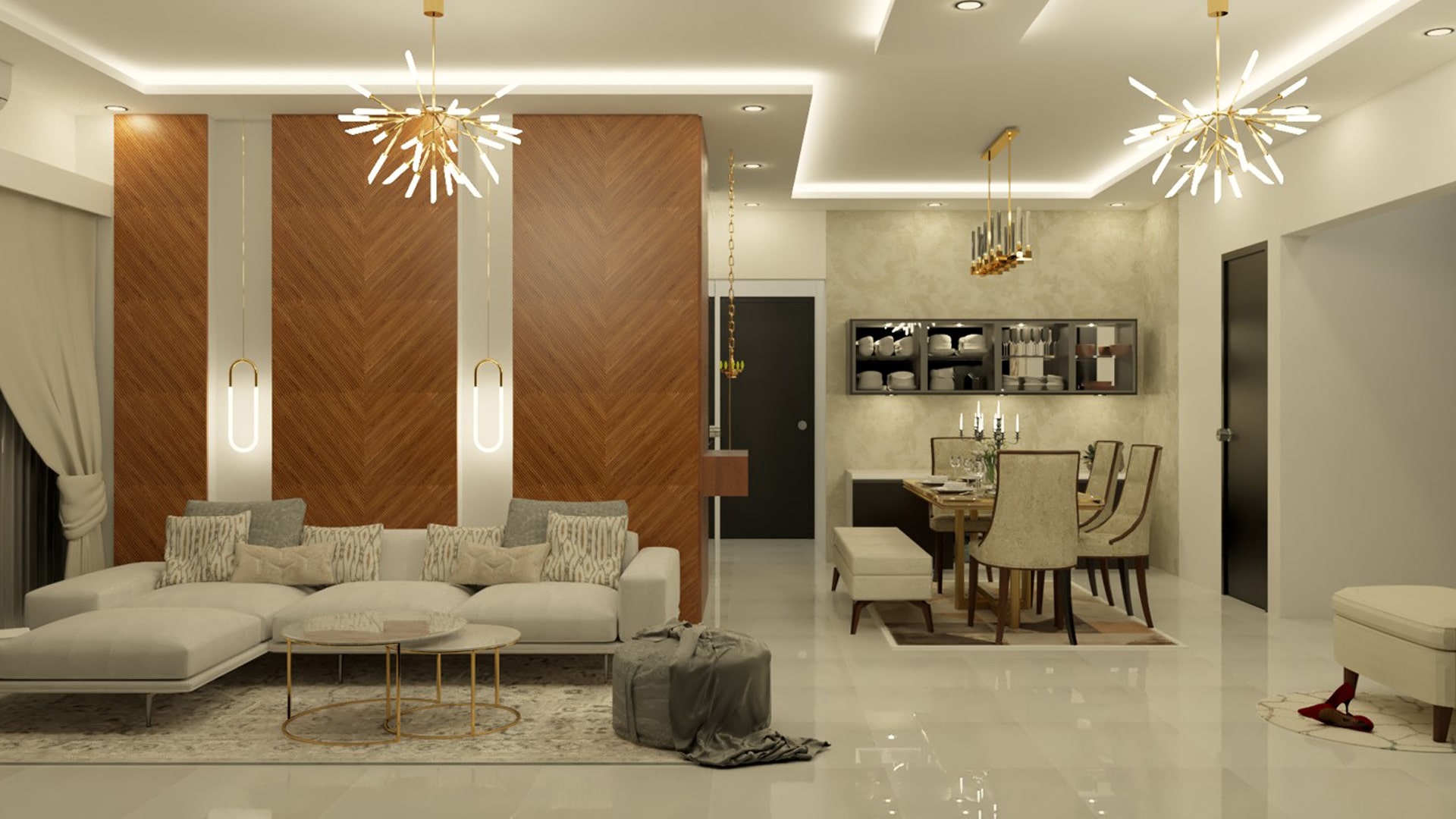
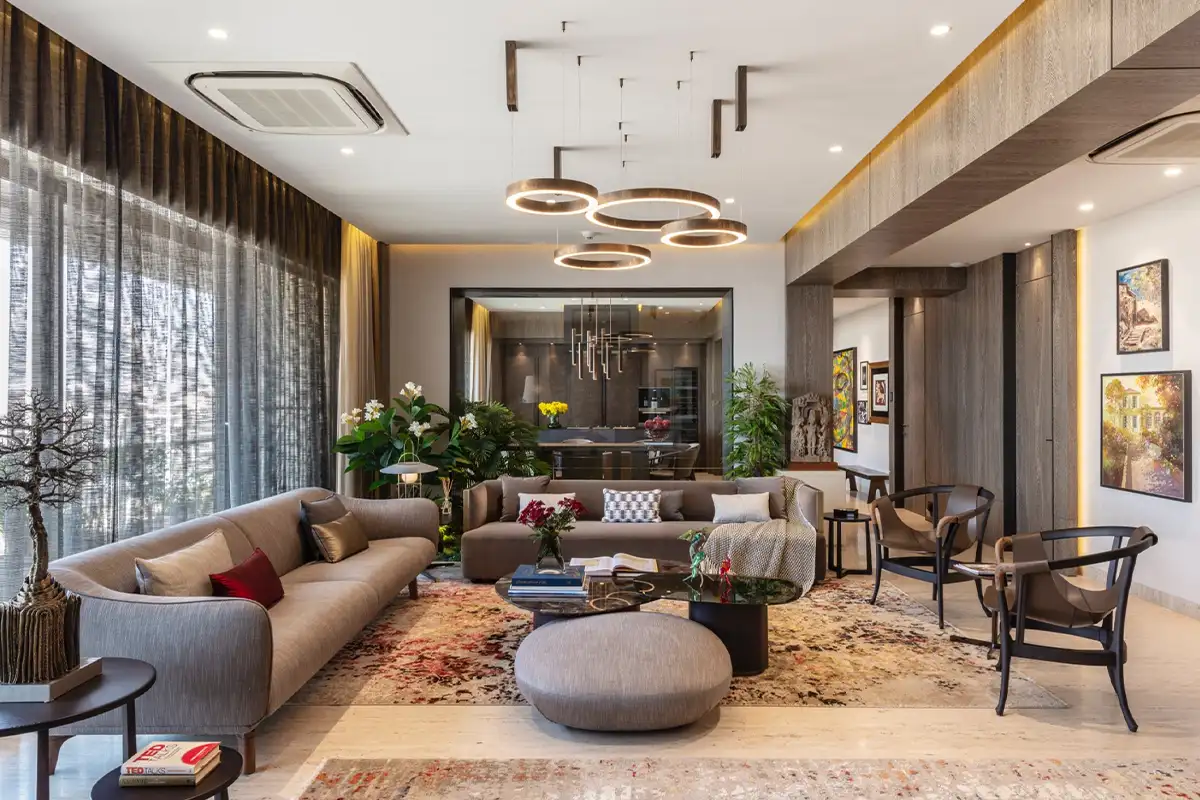
The Future of Interior Design in Urban India
Urban India is changing at a pace never seen before. Cities are growing taller, homes are becoming more compact, and lifestyles are shifting rapidly. In this transformation, interior design is no longer just about visual appeal. It has become a crucial part of how people live, work, relax, and interact within their spaces.
The future of interior design in urban India lies in smart planning, sustainability, human comfort, and long-term usability. At Rise & Tread, interior design is approached as a thoughtful process that balances aesthetics with real-life functionality—an approach that reflects where urban interiors are heading.
1. Urbanization and the Evolution of Interior Design
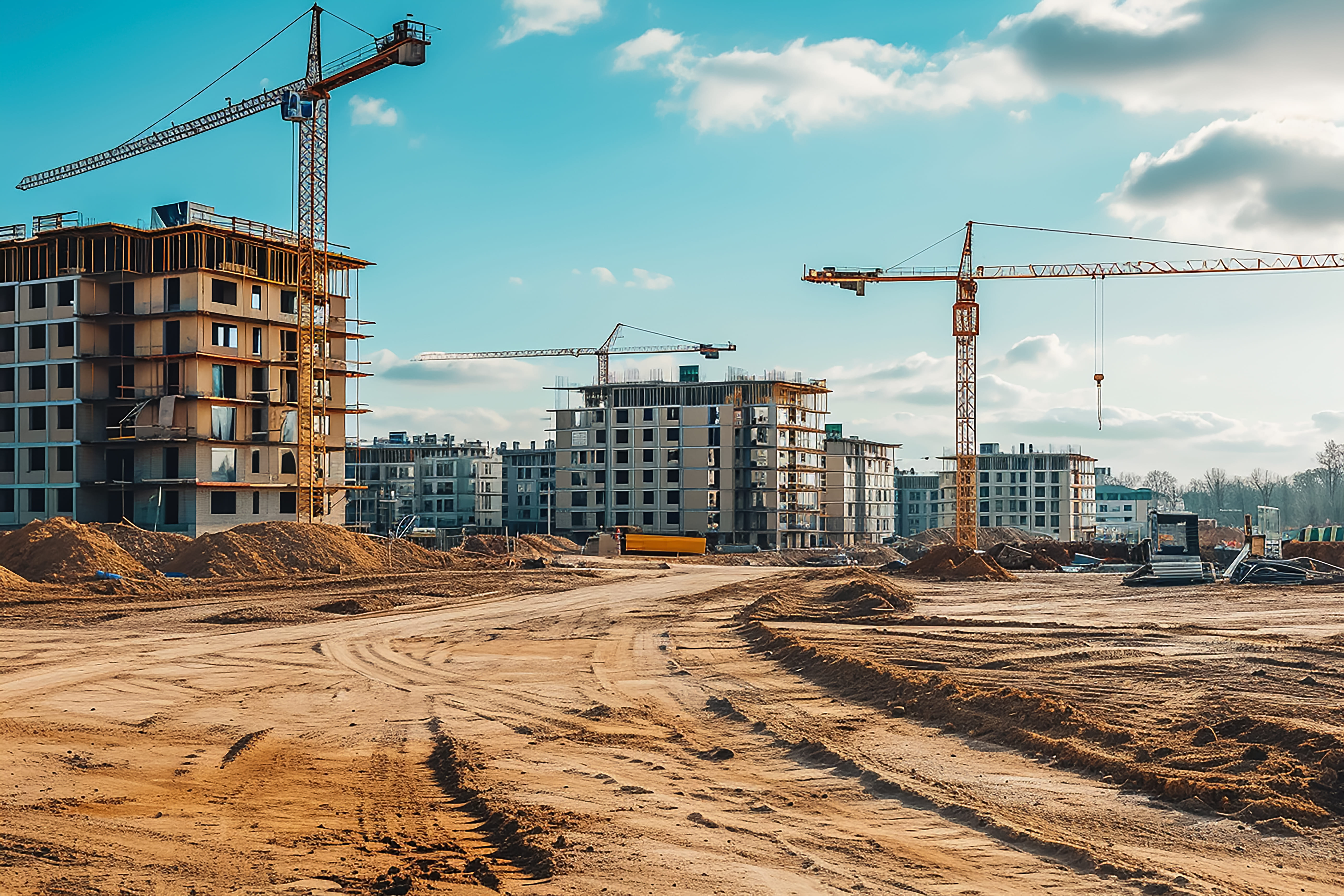
Urban living in India today is defined by high-density housing, mixed-use developments, and limited personal space. As cities expand vertically, the way interiors are designed plays a direct role in everyday comfort and efficiency.
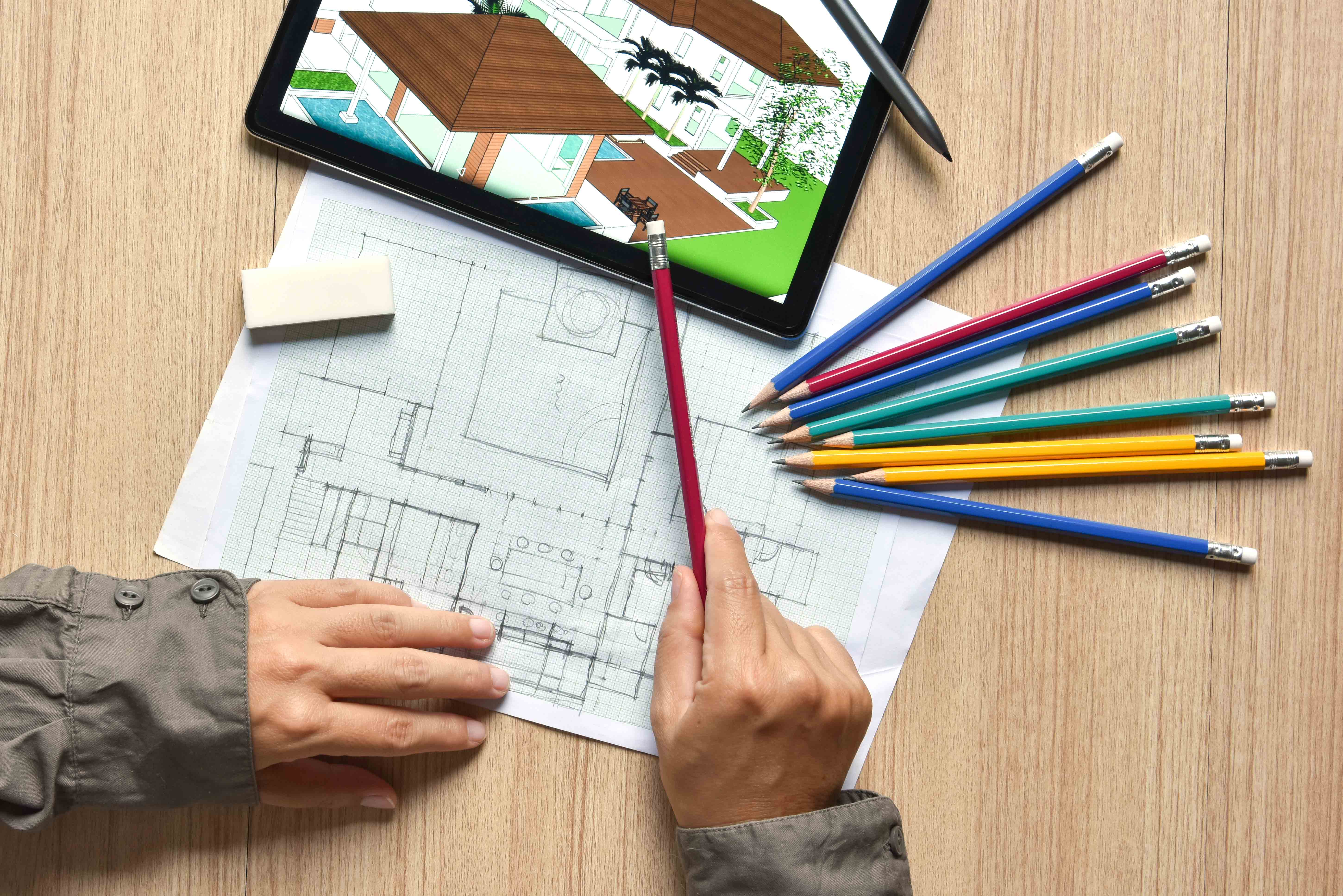
Interior design has evolved from decoration to strategic space planning. Designers are now expected to understand urban challenges—noise, lack of storage, limited natural light, and the need for flexibility. The future of interior design will continue to focus on solving these challenges thoughtfully rather than following short-lived trends.
2. Smaller Homes, Smarter Interior Planning
One of the biggest drivers of change in urban interior design is shrinking home size. While living spaces are becoming smaller, expectations from them are increasing.
Future interior design in India will emphasize:
Multi-functional furniture that serves more than one purpose
Flexible layouts that adapt to changing needs
Smart storage solutions that reduce visual clutter
Open planning that creates a sense of space
Rather than measuring comfort by square footage, interior design will focus on how efficiently space is used. This shift is essential for sustainable urban living.
3. Interior Design as a Lifestyle Requirement
Interior design is no longer a one-time project. It has become a response to lifestyle patterns. Urban residents want homes that support work-from-home routines, relaxation, family time, and personal hobbies.
Design decisions are increasingly influenced by:
Daily movement patterns inside the home
Work and study zones
Quiet corners for rest and focus
Social spaces that feel welcoming
At riseandtread.com, interior planning begins with understanding how people live, not just how they want their homes to look. This mindset represents the future of interior design across urban India.
4. Sustainability Will Shape Future Interiors
Sustainability is becoming a core principle rather than a design trend. Urban homeowners are more aware of environmental impact, long-term costs, and material durability.
The future of interior design in India will prioritize:
Long-lasting materials over frequent replacements
Energy-efficient lighting and ventilation planning
Responsible material sourcing
Low-maintenance finishes
Sustainable interiors reduce waste, improve energy efficiency, and offer better value over time. These choices benefit both homeowners and the environment, making sustainability a key pillar of future interior design.
5. Technology and Smart Living Spaces
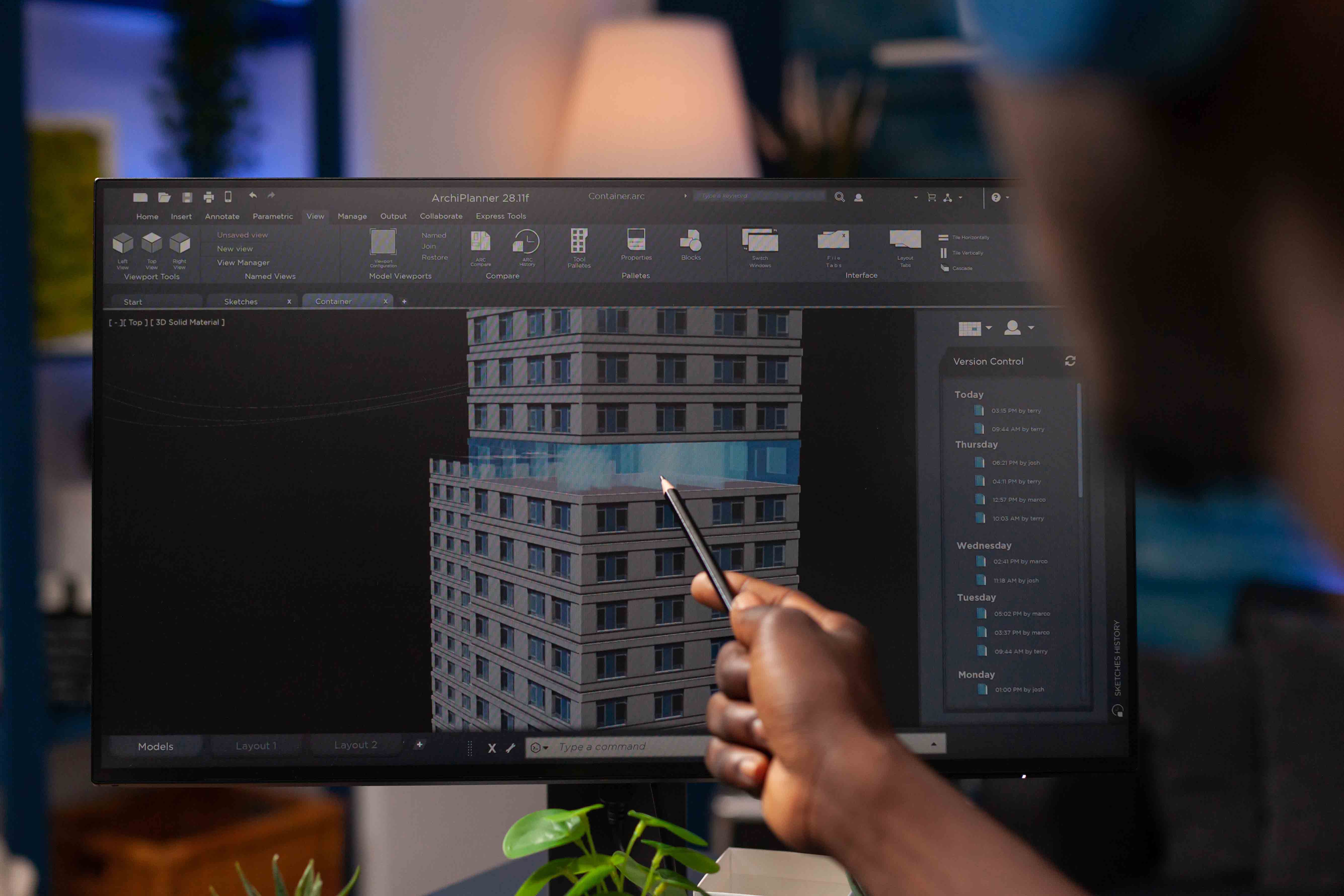
Technology is steadily becoming part of interior design planning. Smart homes are no longer limited to luxury properties; they are influencing mainstream interior layouts.
Future-ready interiors will integrate:
Smart lighting and climate systems
Technology-friendly workspaces
Concealed wiring and clean layouts
Automation-ready design planning
The focus is not on visible gadgets, but on technology that blends seamlessly into everyday living. Interior design will increasingly act as a bridge between technology and comfort.
6. Human-Centric Design Takes Priority
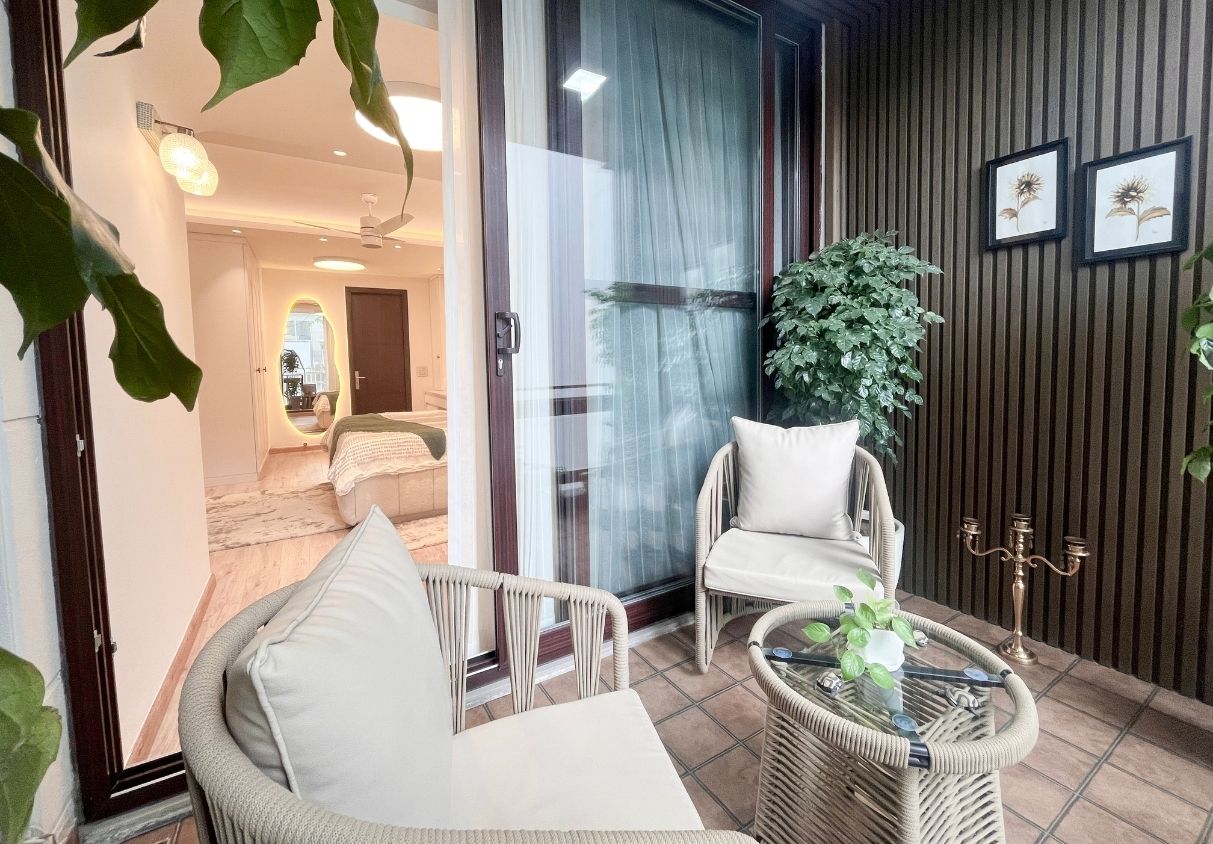
As urban life becomes faster and more demanding, interior design is shifting toward supporting mental and emotional well-being. Homes are expected to offer a sense of calm and balance.
Human-centric design focuses on:
Natural light and ventilation
Comfortable acoustics
Balanced color palettes
Clutter-free layouts
The future of interior design in urban India will value how a space feels over time, not just how it looks when completed. This approach leads to healthier and more livable environments.
7. Global Design Trends with Local Relevance
Urban Indian interiors are influenced by global aesthetics, but successful design always respects local realities. Climate, culture, and daily habits play a major role in determining what works long term.
Future interior design will balance:
Global design inspiration
Indian climate considerations
Cultural habits and family structures
Practical maintenance needs
Designers who adapt global trends to local contexts will define the next generation of urban interiors in India.
8. The Changing Role of Interior Designers
Interior designers are no longer seen as decorators. Their role is evolving into that of planners, problem-solvers, and long-term partners.
Future interior designers will need:
Strong spatial planning skills
Knowledge of sustainable materials
Understanding of technology integration
Clear communication with clients
Trust, transparency, and expertise will be essential. Interior designers who prioritize thoughtful planning over surface-level trends will shape the future of the industry.
9. Frequently Asked Questions
Urban homes are smaller and more complex. Good interior design improves functionality, comfort, and long-term usability.
Visual styles may change, but core principles like functionality, sustainability, and comfort will remain constant.
Sustainable design reduces maintenance costs, improves energy efficiency, and supports responsible living.
It’s not mandatory, but future-ready homes benefit from technology-friendly layouts.
By choosing flexible layouts, durable materials, and designs that adapt to lifestyle changes.
Latest Blogs